
10 Gifts That Every Parent Should Give to Their Children
By Mahrukh Bashir
Parenting advice bombards us from every corner—apps like TikTok, Reels, blogs, well-meaning friends. But as educators, we know the real treasures for your child aren’t shiny toys or endless schedules. They’re these ten gifts—simple, quiet, profound—that build kids into strong, curious, kind humans. They don’t need a manual, just your willingness to lean in.
Here’s why they matter.
1. The Gift of Spirituality: Building a Bridge to God
There’s a holy call beyond the noise—a chance to help children create a connection with God that fills their soul. Bow in salah, whisper a du’a, sing His praise, or gaze at the stars in wonder—these acts draw them near to the Divine.
In school, we see this bond spark resilience, a sacred strength that steadies them through life’s highs and lows. It’s their heart reaching for God’s, a living tie to peace and purpose that grows with every step.
2. The Gift of Boredom: Where Genius Whispers
We dread the “I’m bored” whine, but oh, what a gift it is. In those empty moments, kids turn sticks into wands or cardboard into castles. Their brains light up, weaving neural pathways that spark creativity—something innovators swear by.
Research agrees: kids who wrestle with boredom grow sharper at solving problems and tougher in spirit. In our plugged-in world, teaching them to sit with their thoughts is like handing them a superpower.
3. The Awkward Talks: Heart-to-Heart Magic
Those big, messy questions—about bodies changing, love, fights with friends, or secret worries—don’t sidestep them.
Kids shouldn’t stumble through these mysteries on YouTube or the playground; they need you, their steady guide, to offer truth and heart.
When you open the door to these tender, fumbling talks—no judgment, just listening—you weave a thread of trust that holds strong for years. A child who can speak the hard stuff at home grows into a teen who faces the world with grit and grace.
4. The Power of Limits: Love in a “No”
That pout when you say no to more screen time? It stings, but it’s gold.
Kids bloom inside boundaries—they push, sure, but they secretly need that steady edge. Every “not yet” strengthens their ability to wait, to cope, to grow up ready for a world that doesn’t budge.
Saying “no” isn’t cold—it’s a warm hug dressed as tough love, preparing them for reality.
5. The Joy of Reading: Windows to Wonder
Books aren’t homework; they’re magic doors.
Picture your child lost in a tale—giggling at rhymes or wide-eyed at dragons. They’re not just learning—they’re feeling other lives, training their focus, finding riches in their own head.
Make it a cozy ritual, not a rule, and they’ll carry that quiet joy forever. In a distracted age, that’s a gift that keeps giving.
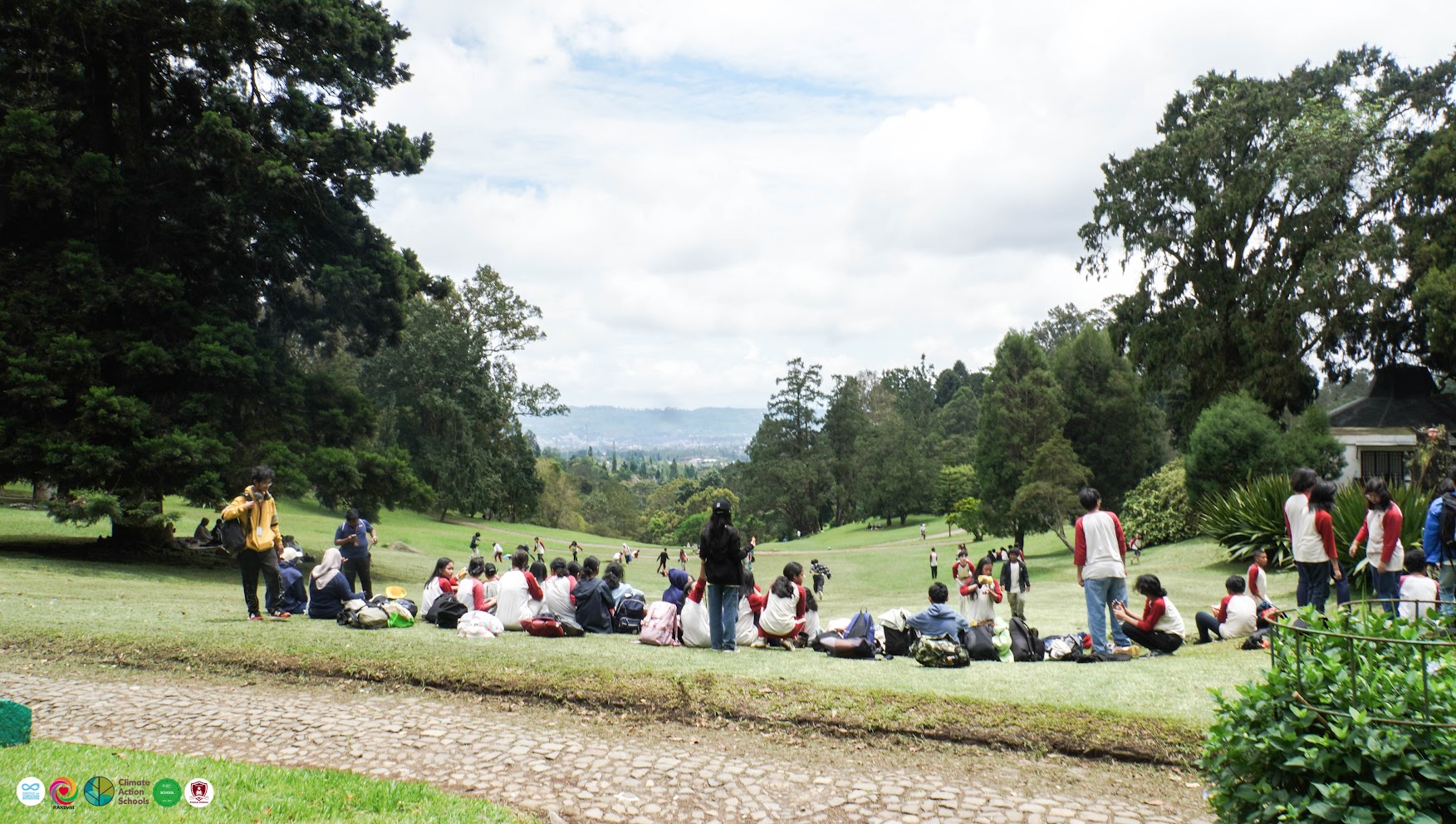
6. The Outdoor Quest: Nature’s Wild Song
Send them outside, and watch the shift.
A kid who trades screens for trees starts moving freer, asking bigger questions, noticing more. Nature’s no add-on—it’s in their bones, sharpening balance, teaching grit through rain or wind.
Classrooms can’t match the lessons of a muddy hill. It’s where they find their spark.
7. The Value of Work: Small Hands, Big Pride
Kids crave more than fun—they want to matter.
Hand them a broom or a dish to dry, and you’re saying, “You’ve got this. You belong.”
In school, we see it: when we give students meaningful jobs, they develop a sense of quiet drive and belonging—kids who are given a purpose at home show up ready to shine.
That little glow when they finish? It’s the seed of a work ethic that lasts.
8. The Mealtime Connection: Soul Food
Gather around the table, even if it’s mac-and-cheese chaos.
Research consistently shows one pattern: regular family meals correlate strongly with everything from better academic performance to reduced risk of loneliness and substance abuse.
The magic doesn’t happen because of what’s on the plate—it happens because of what’s around it.
These daily gatherings create rhythm in an irregular world. They provide natural opportunities for conversation, for noticing subtle shifts in mood, for transmitting values through both words and actions.
In our scattered days, this simple act is a lifeline, a heartbeat of home.
9. The Kindness Habit: Seeds of Good
A shared toy, a kind word—it’s small, but it’s everything.
Kindness isn’t born; it’s grown, one gentle nudge at a time.
Guide them to see they’re not the center of the universe—to wait their turn, to lift a friend—and they’ll find their place in a bigger world.
We see it in classrooms: the kind ones shine brightest, balancing self-worth with care, ready to share a sandbox or a life with grace.
It’s humanity’s best note, and you can tune it early.
10. The Gift of Quiet Moments: Stillness That Strengthens
In a world that never stops, teach them to pause.
A few minutes to breathe, doodle, or just sit under a tree—it’s not lazy, it’s life-saving.
Schools know this: quiet time builds focus, calms storms, and helps kids hear their own voice.
It’s a soft skill with hard rewards, steadying them for whatever’s ahead.
As parents and educators, we often focus on what we should provide or achieve for children. Yet these 10 gifts remind us that our most important contributions often involve stepping back rather than stepping in—creating space for boredom, emotion, independence, and discovery.
These aren’t flashy gifts. They won’t photograph well for social media. But decades of research and observation confirm they’re the foundations upon which meaningful, capable lives are built.
Remember: our children are not porcelain dolls to be kept on shelves, protected from every bump and scrape.
Too much protection doesn’t prepare them for the world they’ll eventually face alone.
They need space to fall, fail, and figure things out. Their resilience grows not from being shielded from challenges but from learning to overcome them with appropriate support.
In our well-intentioned desire to protect, we must not deprive them of the very experiences that will make them strong, capable, and confident human beings.